
Voices from the Roof of the World – 2026
18 June – 18 October 2026
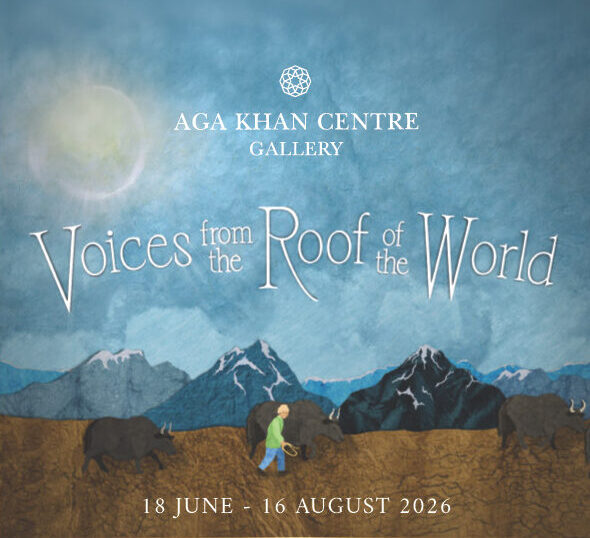
An exhibition premiering the 4th season of the award-winning documentary series Voices from the Roof of the World (VRW), investigating how climate change is impacting the people and wildlife of high-mountain Asia.
Since its launch, Voices from the Roof of the World has supported emerging filmmakers from Pakistan, India, Kyrgyzstan, Tajikistan, Nepal, and Mongolia, who explore the human side of rapid climate change and the locally driven solutions emerging in response. Following the broadcast of 30 documentaries on national and international TV channels, and screenings at dozens of film festivals, this is the first exhibition devoted entirely to their work.
The ‘Roof of the World’ is undergoing rapid environmental change caused by global warming. Across the world’s highest mountains, from the Pamirs and Tian Shan to the Himalayas, over 250 million people are directly impacted by melting glaciers, mudslides, floods, and droughts. Another 1.65 billion people living downstream face equally catastrophic consequences for their water supply and agricultural livelihoods. Despite its scale, this urgent crisis is underrepresented and largely misunderstood by the international community. The VRW documentary series addresses this yawning gap by amplifying the voices of communities on the frontlines of climate change.
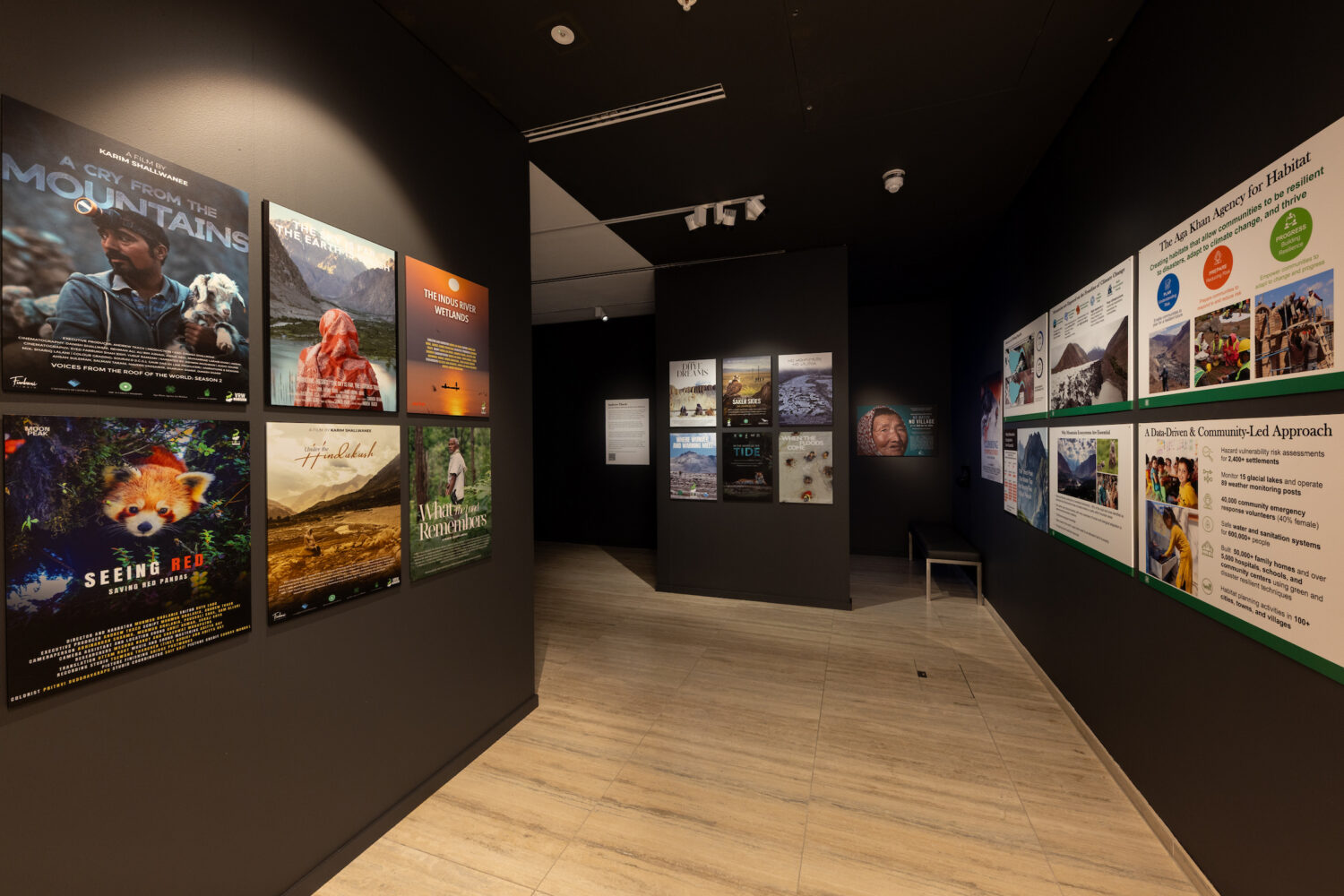
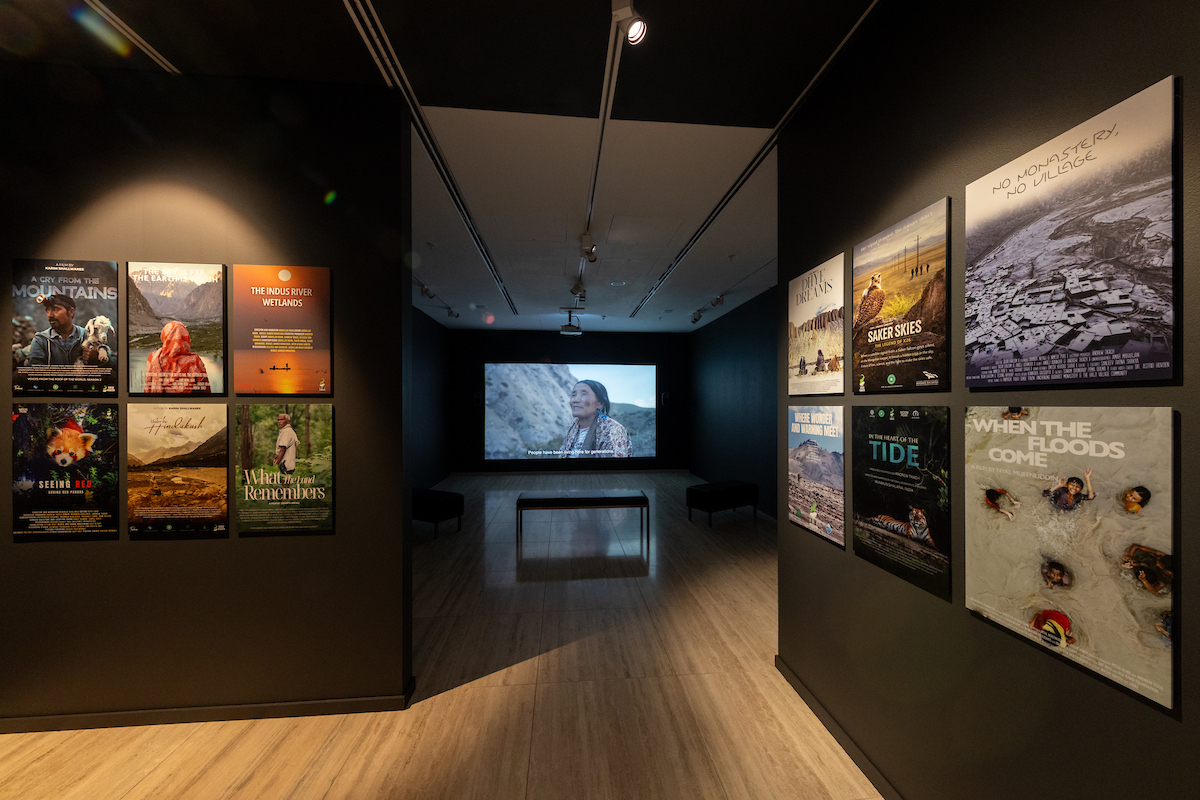
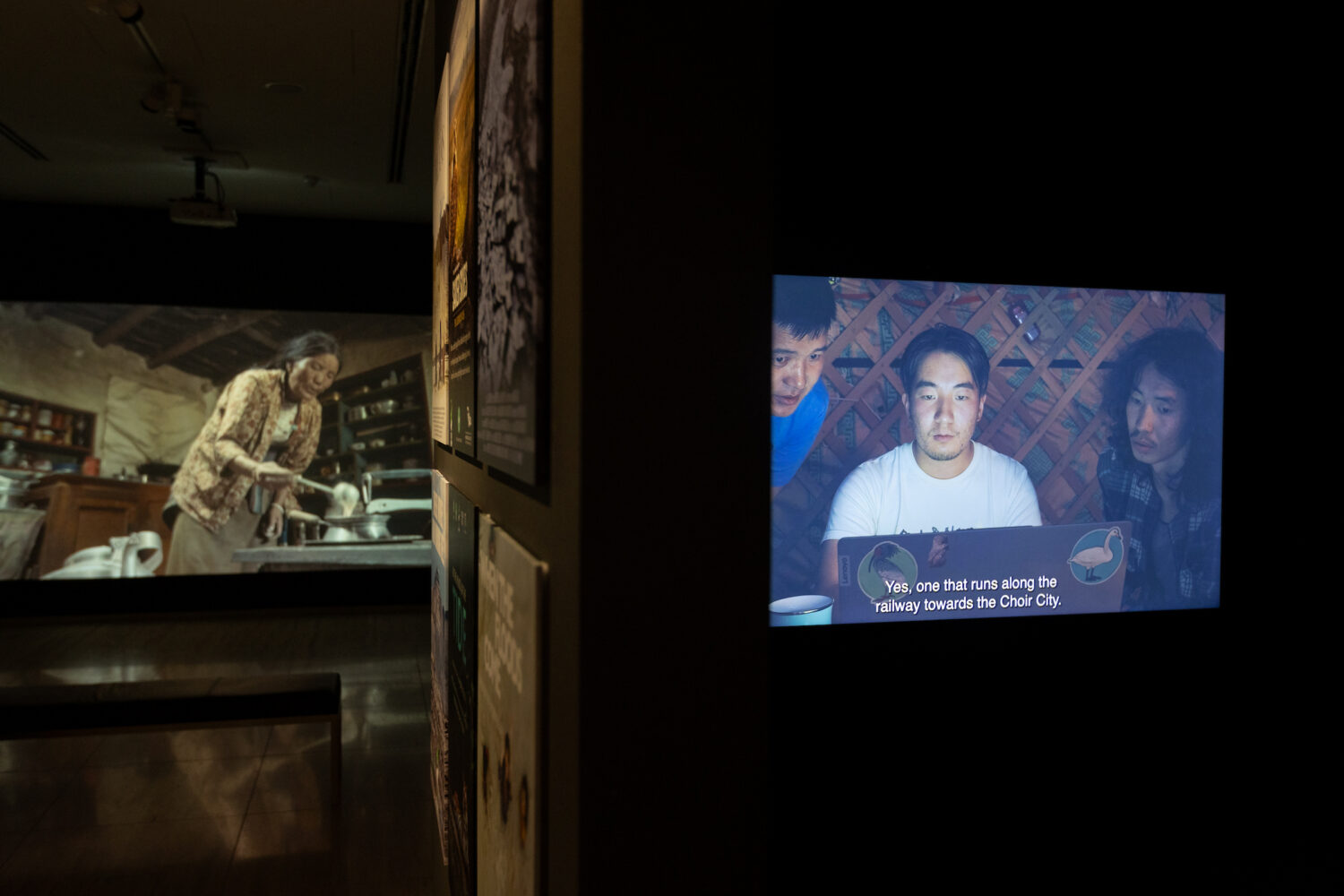
The exhibition includes the screening of five new films from Season 4 and one of the most recognized films from Season 3 on loop. They are:
Dhye Dreams from season 3 is directed by Shanta Nepali and set in Nepal’s Upper Mustang region. It follows three women confronting the devastating effects of climate change on their ancient Himalayan village. As water sources disappear and communities are forced to relocate, the film highlights resilience, survival, and the emotional toll of environmental displacement.
In the Heart of the Tide directed by Munmun Dhalaria, explores life in the Indian Sundarbans, where rising sea levels and increasingly severe cyclones threaten both local communities and endangered wildlife. Through intimate storytelling, it reveals the resilience of indigenous populations adapting to climate instability while coexisting with the Royal Bengal Tiger.
Saker Skies directed by Kiran Ghadge and Munir Virani, is set across the grasslands of Mongolia and Central Asia. The film examines the fragile relationship between development and biodiversity. It follows conservation efforts to protect birds of prey whose survival is essential to maintaining the ecological balance of one of the world’s largest carbon sinks.
Paying Back a Debt directed by Iskender Aliev is set in the mountains of Kyrgyzstan. Former hunters dedicate themselves to restoring damaged ecosystems and protecting endangered wildlife. The film explores personal responsibility, conservation, and community-led stewardship in remote natural landscapes.
Forewarned but Unarmed directed by Cyrus Vicaji returns to communities previously affected by climate disasters in Pakistan. The filmmaker documents the lasting human consequences of flooding and environmental instability. The film also highlights emerging local solutions, from community resilience to the restoration of urban green spaces.
Where Wonder and Warning Meet directed by Aibek Baiymbetov follows Gulbara, a Kyrgyz climate scientist and mountaineer studying rapidly melting glaciers in Central Asia. Blending personal determination with scientific inquiry, the film reflects on climate adaptation, environmental change, and women in science.
While these films depict remote landscapes, their messages are immediate and universal, emphasising the interconnected nature of climate change. Voices from the Roof of the World has won Columbia University Journalism School’s top prize for Distinguished Environmental Reporting, along with a slew of other awards.
The series is produced by multi-Emmy Award–winning executive producer Andrew Tkach and sponsored by the Aga Khan University (AKU), Aga Development Network, Aga Khan Foundation (AKF), and the University of Central Asia (UCA). All four seasons will be broadcast by Pakistan’s Express Media Group and individual episodes have screened on Al Jazeera International and ARTE TV France and Germany.
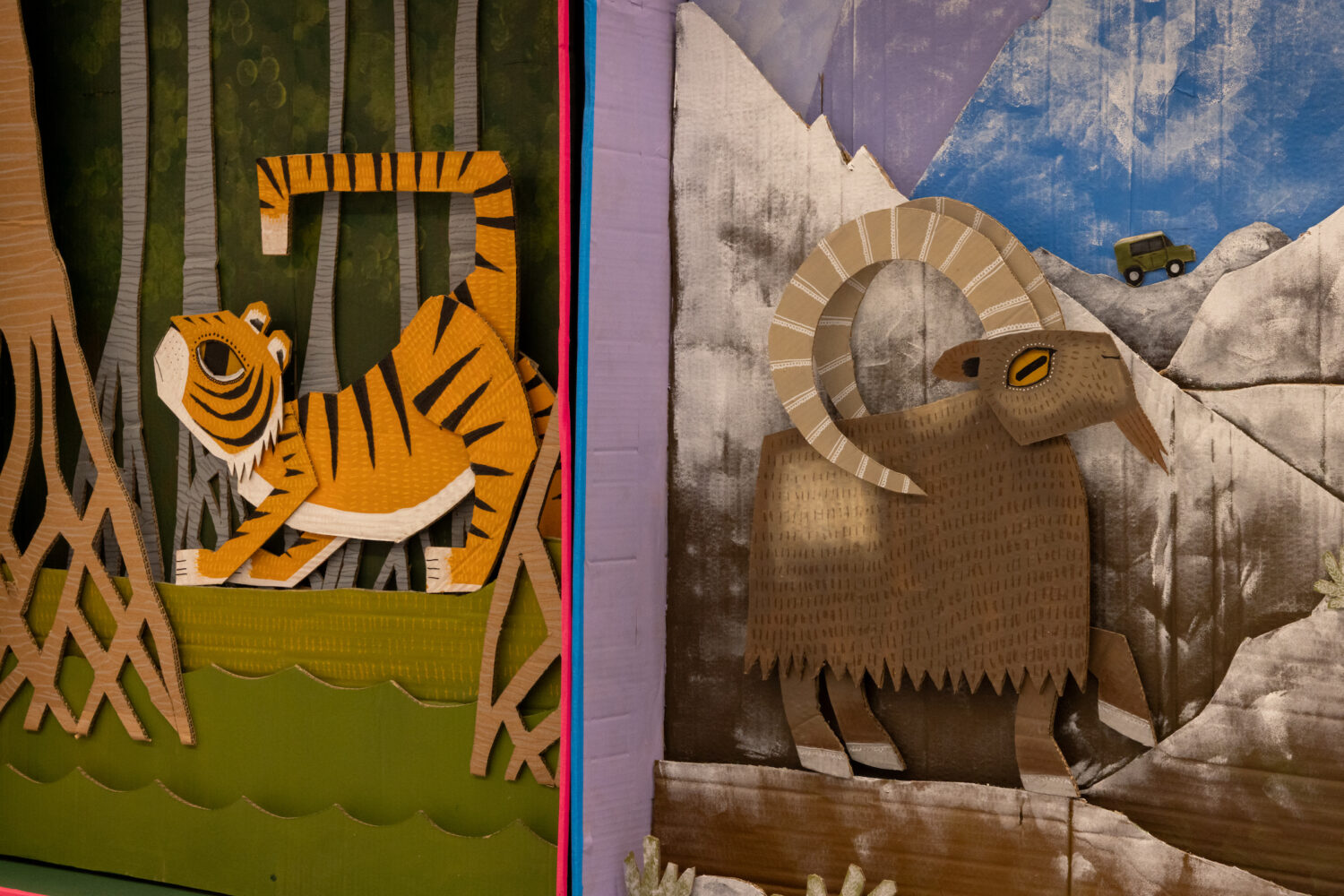
The exhibition also features new work by visual artist Emma Friedlander-Collins, who uses recycled materials to create storyboard-inspired installations. In collaboration with Year 6 pupils from King’s Cross Academy, she has developed a large-scale work that foregrounds young voices within the climate conversation, while making us consider the importance of recycling and repurposing materials.
Voices from the Roof of the World is a compelling body of work exploring the human and environmental impact of climate change across the Pamir–Hindu Kush–Himalayan region.
The world’s highest mountains are the roof of the entire Indian subcontinent and Central Asia. But while ‘roofs’ traditionally provide shelter, those same pillars of support can cause death and destruction if they are damaged and mistreated. With the imminent release of its fourth season, the exhibition celebrates the films’ urgent narratives, inviting audiences to reflect on their role in supporting environmental stewardship and nature-based solutions. It translates cinematic storytelling into a shared experience, bringing distant landscapes and lived realities into dialogue with the London audience.
As part of the exhibition, we are premiering a film from the upcoming 4th Season of VRW titled Who if Not Us, directed by Young BAFTA award-winning director Nyal Mueenuddin. The live film event will take place on Saturday 27 June 3–4pm, followed by a Q&A with the executive producer of VRW, Andrew Tkach, and director Nyal Mueenuddin. Further information and to book: Who if Not Us: Film Screening + Director Q&A Tickets, Saturday, June 27 • 3 PM – 4 PM | Eventbrite