
Yemeni Embroidery: Preserving Heritage, Empowering Lives
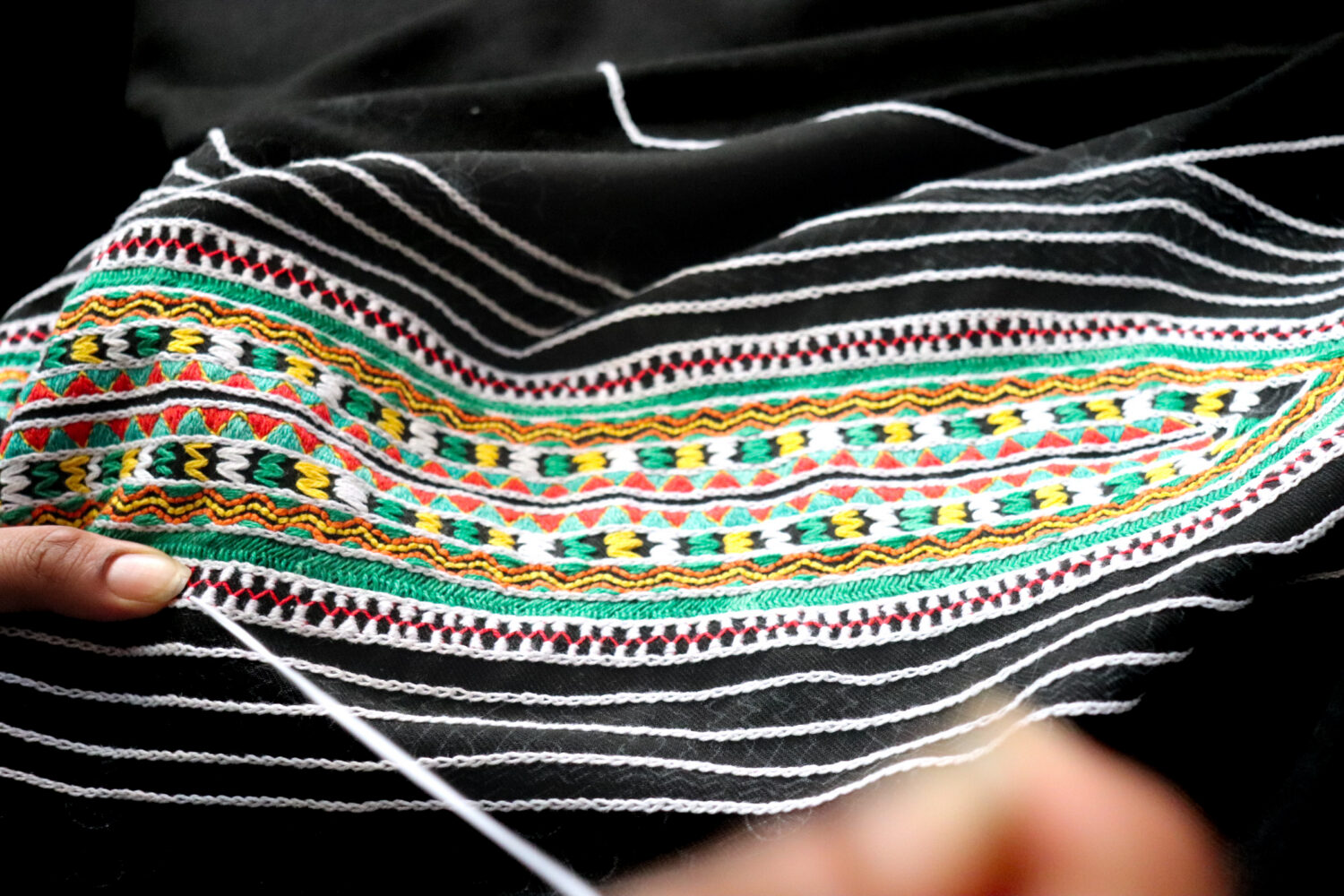
Hand-embroidered textiles celebrating Yemen’s rich heritage made by skilled women and girls
29 October 2026 – 28 February 2027
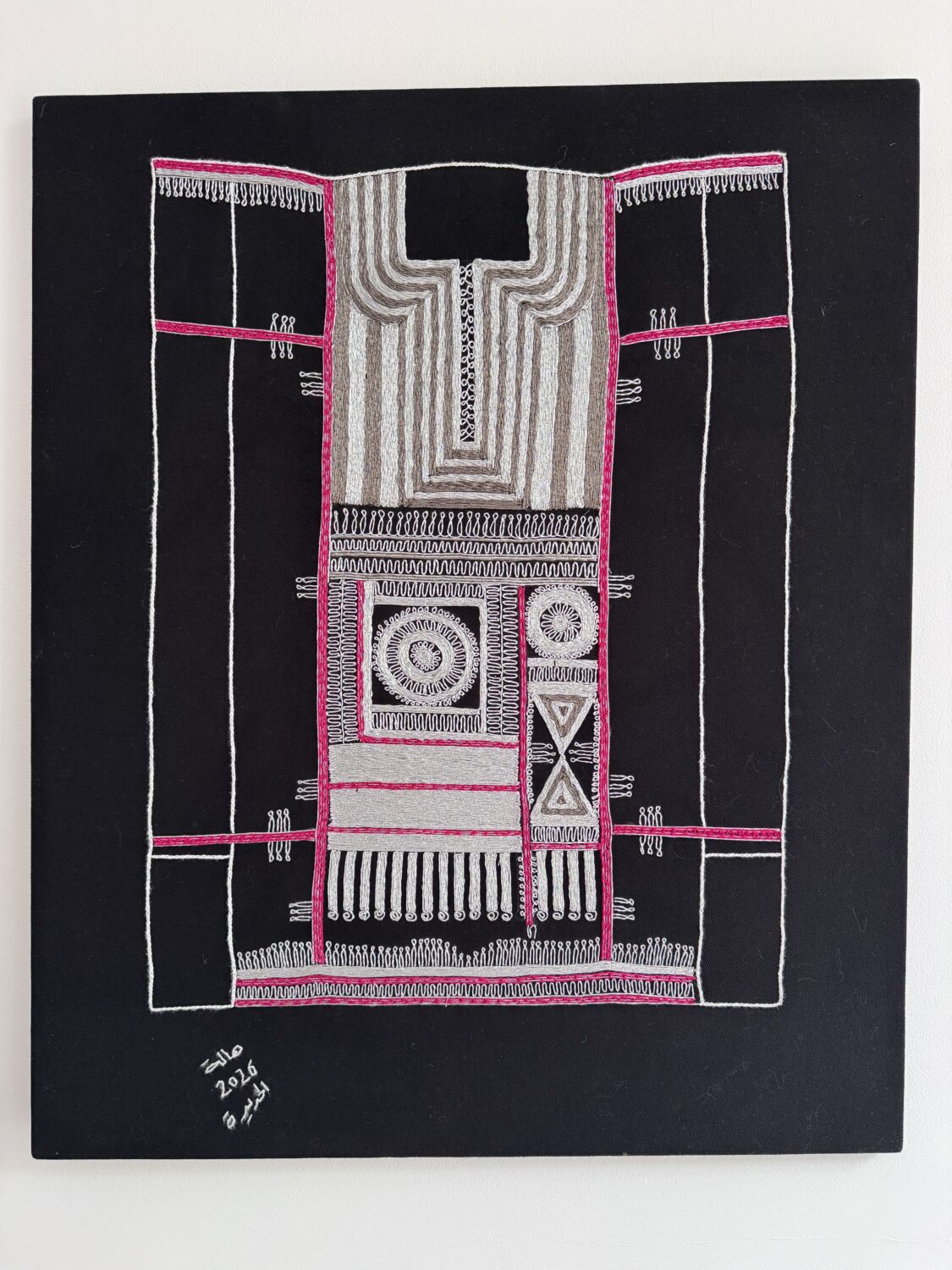
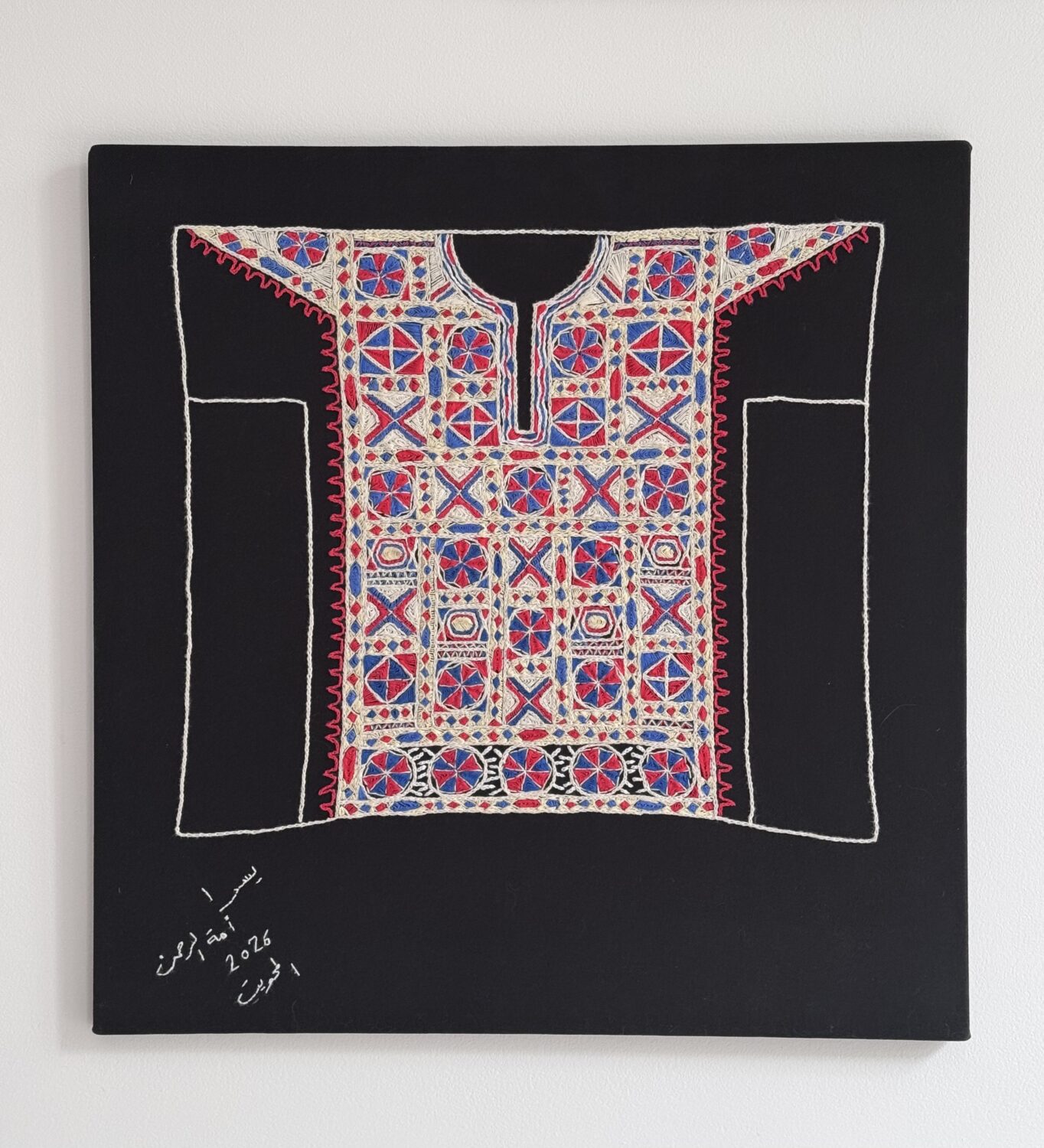
The textiles on display are the result of a programme developed by the Yemen Noor Foundation (YENOF) and Improving Livelihoods through Cultural Initiatives (IL-CI) to document and transmit Yemen’s diverse embroidery traditions. Initiated by Isabelle Caussé, founder of IL-CI, and supported by the ALIPH Foundation, in 2025, the programme brought together twenty-five women to study traditional dresses from different regions of Yemen.
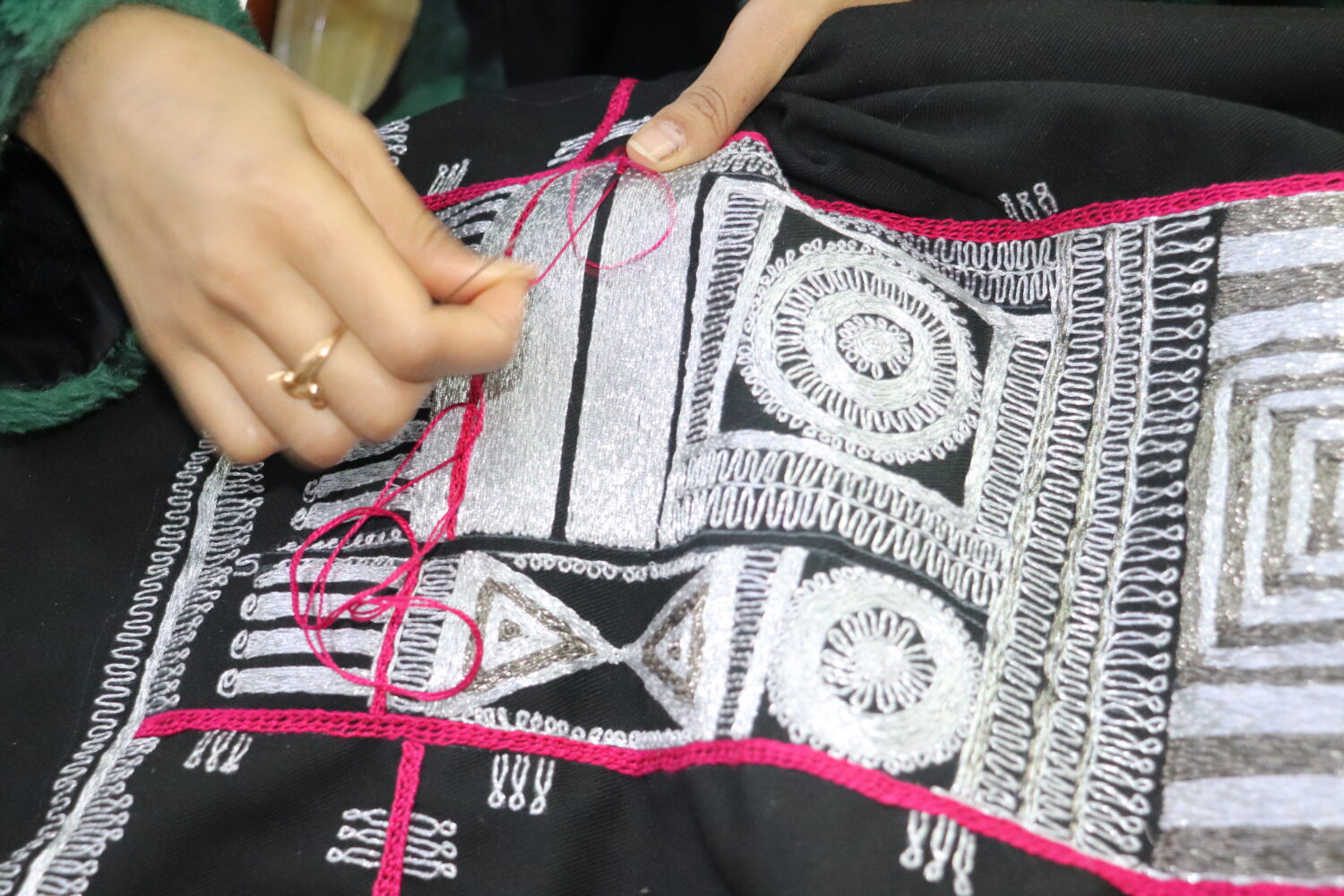
Through close observation and practical workshops, participants examined the stitches, motifs and patterns of their assigned garments, translating these elements into new wall pieces. In doing so, they explored and documented Yemen’s embroidery traditions while renewing them through adaptation and contemporary creative practice.
The garments were sourced in Yemen and from Yemeni ethnographic collections internationally. In Sana`a, participants worked primarily from high-resolution images generously provided by institutions and private collectors, including the Pitt Rivers Museum in Oxford.
The project builds on YENOF’s embroidery workshops, established in 2013. Originally created to equip women from low-income households, who had limited access to formal education, with skills to support their families and their children’s schooling, the programme has since evolved. It now also welcomes their daughters, reflecting growing interest among educated younger Yemeni women in acquiring traditional skills, reconnecting with their heritage, and helping to preserve and carry it forward.
While the project involved only some of the more than seventy women in YENOF’s embroidery programme, the knowledge and skills gained have been shared more widely. Bead and sequin techniques, in particular, offered new avenues for creative expression while enabling women to develop accessible, marketable products that support their livelihoods.